

Blog
Table of Contents
Website vs Social Media: Which Is Better for Your Business? (2026)
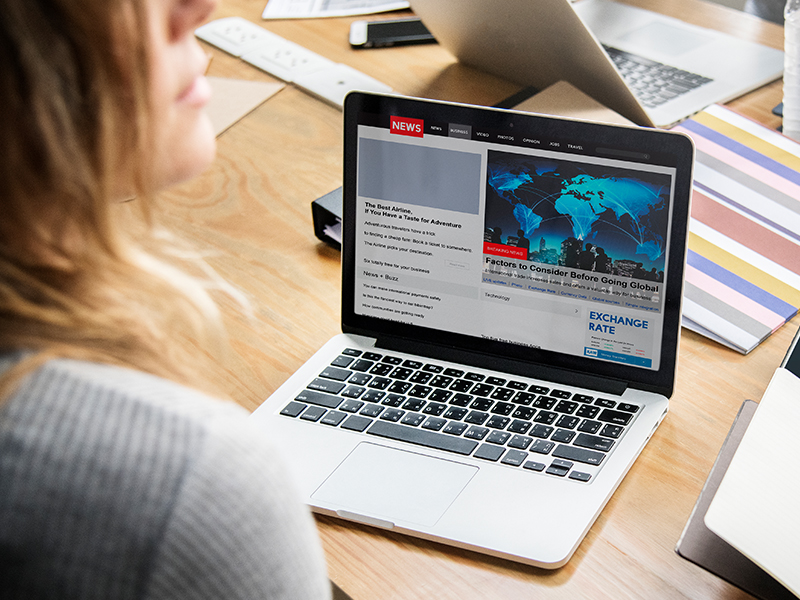
A website and social media serve different purposes. Social media is useful for reaching and engaging audiences, while your website gives you a central online presence where customers can learn about your business, contact you, or make a purchase.
So, when comparing website vs social media, the better approach for most businesses is not choosing one over the other. It’s using both together.
Quick Summary: Website vs Social Media
|
Website |
Social Media |
|---|---|
| You control the platform | Platform is controlled by a third party |
| Supports SEO | Helps build social engagement |
| Available 24/7 | Depends on platform activity |
| Can generate leads and sales | Can generate traffic and engagement |
| Can be fully customised | Limited by platform features |
| Builds your own digital asset | Builds an audience on another platform |
| Can support eCommerce | Useful for product and content promotion |
| Requires hosting and maintenance | Usually free to create an account |
What Is a Business Website?
- Home page
- About Us
- Services
- Products
- Portfolio
- Blog
- Contact page
- Customer reviews
- Online booking
- eCommerce functionality
What Is Social Media Marketing?
Social media marketing involves using social platforms to promote your business and communicate with your audience.
- YouTube
- TikTok
Website vs Social Media: Key Differences
1. Ownership and Control
- Algorithms
- Features
- Advertising rules
- Visibility
- Account policies
2. Search Engine Visibility
- Products
- Services
- Locations
- Questions
- Industry topics
“Website design company in London”
3. Building Customer Trust
- Your company
- Services
- Products
- Experience
- Reviews
- Case studies
- Contact details
4. Generating Leads
- Contact forms
- Quote requests
- Booking systems
- Phone numbers
- Email links
- Live chat
- Downloadable resources
Social media can attract potential customers, while your website can provide the next step.
Social Media → Website → Service Page → Contact Form → Lead
5. Selling Products Online
- Browse products
- Compare products
- Add products to a basket
- Make payments
- Track orders
- Create accounts
6. Branding
You can customise:
- Colours
- Fonts
- Layout
- Images
- Messaging
- Navigation
- Page structure
Advantages of Having a Website
1. Full Control
2. Professional Image
3. SEO Opportunities
4. Lead Generation
5. eCommerce
6. Long-Term Asset
Advantages of Social Media
1. Reach New Audiences
2. Customer Engagement
3. Content Sharing
You can quickly share:
- Images
- Videos
- Offers
- News
- Product updates
- Customer stories
4. Brand Awareness
5. Advertising
Can Social Media Replace a Website?
- The platform
- Algorithms
- Account policies
- Platform availability
- How your content is displayed
Should a Small Business Have a Website and Social Media?
For most businesses, yes.
Google Search → Website → Enquiry
Instagram → Website → Product → Purchase
This creates a connected online presence rather than treating your website and social media as separate marketing activities.
Website vs Social Media for Different Businesses
Local Businesses
A website combined with local SEO and social media can help attract nearby customers.
Service Businesses
eCommerce Businesses
B2B Businesses
A website can provide detailed information about services, expertise, and case studies, while platforms such as LinkedIn can help reach professional audiences.
How to Use Your Website and Social Media Together
Step 2: Inform
Send visitors to relevant website pages where they can learn more.
Step 3: Build Trust
Step 4: Convert
Use calls-to-action such as:
- Contact Us
- Request a Quote
- Book Now
- Shop Now
Step 5: Stay Connected
Use social media and email marketing to maintain relationships with customers.
Common Mistakes Businesses Make
- Using only social media
- Having an outdated website
- Not linking social profiles to your website
- Posting on social media without a strategy
- Sending all social traffic to your homepage
- Ignoring SEO
- Not tracking website conversions
- Relying on one social media platform
Website vs Social Media: Which Should You Invest In First?
- Promote your content
- Share services
- Showcase products
- Build an audience
- Generate website traffic
- Communicate with customers
Frequently Asked Questions
Is a website better than social media?
Can I run a business with only social media?
Do I need social media if I have a website?
Is a website more important than social media for SEO?
Should I promote my website on social media?
Build a Stronger Online Presence with GetWebsite.io
At GetWebsite.io, we provide professional Website Design Services for UK businesses, creating fast, mobile-friendly, SEO-focused, and conversion-focused websites. We can help you build a website that works alongside your social media and other digital marketing channels to support long-term business growth.
Build Smarter Websites with AI Technology
Build and host your website with AI—fast, simple, and secure.
Why Build & Host with Get Website?
AI-Powered Setup
Launch your site effortlessly with AI-generated design & content.
Fast & Secure Hosting
Blazing speed, security, and daily backups included.
All-in-One Platform
Design, build, and host without tech hassle.